
Nenhum produto no carrinho.
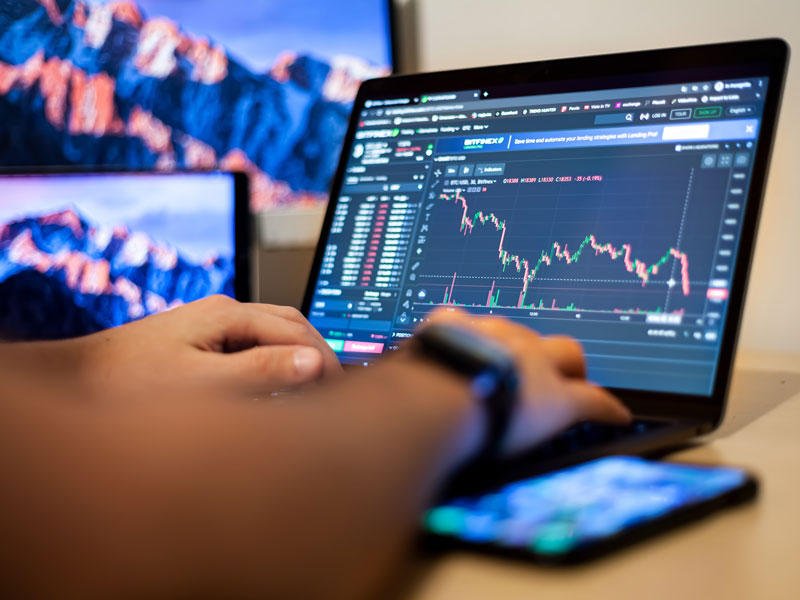
Getting Started with Forex Trading: The Basics You Need to Know
Forex trading, short for foreign exchange trading, involves the buying and selling of currencies on the global market. As one of the largest and most liquid financial markets in the world, the forex market operates 24 hours a day, five days a week. To start your journey in this exciting space, understanding the basic principles and terminologies is crucial. In this article, we will cover the essentials of forex trading, from the key concepts to trading strategies, to help you navigate this dynamic market confidently. For more in-depth information, you can visit forex trading basics https://forex-level.com/.
What is Forex Trading?
Forex trading involves exchanging one currency for another, aiming to profit from the fluctuation in currency values. Currencies are traded in pairs, such as EUR/USD (Euro/US Dollar) or GBP/JPY (British Pound/Japanese Yen), where the first currency is the base currency and the second is the quote currency. The price of a currency pair reflects how much of the quote currency is needed to purchase one unit of the base currency.
Key Terminologies in Forex Trading
Familiarity with key terminologies is essential for understanding forex trading. Below are some of the fundamental terms you should know:
- Pip: The smallest price movement in a currency pair. Typically, a pip is the fourth decimal place (0.0001) in most currency pairs, except for pairs involving the Japanese yen where it is the second decimal place (0.01).
- Leverage: A tool that allows traders to control larger positions with a smaller amount of capital. For example, with a leverage of 100:1, you can control $100,000 with just $1,000.
- Spread: The difference between the bid price (the price at which you can sell) and the ask price (the price at which you can buy) of a currency pair.
- Lot: A standard unit of measuring a transaction in forex trading. Standard lots are usually 100,000 units of the base currency, while mini lots are 10,000 units, and micro lots are 1,000 units.
- Margin: The amount of money needed in your trading account to open and maintain a leveraged position.
The Structure of the Forex Market

The forex market is decentralized and is made up of banks, financial institutions, corporations, hedge funds, and retail traders. The market operates over-the-counter (OTC), meaning trades are conducted electronically over a network. The forex market can be divided into three major trading sessions:
- Asian Session: The market is usually slower during this session. Major currency pairs such as AUD/JPY and NZD/USD dominate this period.
- European Session: Characteristically more volatile, the European session involves major financial hubs like London and Frankfurt.
- North American Session: Significant market activity occurs during this session, especially when the U.S. market overlaps with the European market.
How to Start Trading Forex
If you’re new to forex trading, here are steps to help you get started:
- Educate Yourself: Understanding the forex market, trading terms, and strategies will lay the foundation for your trading success.
- Choose a Reliable Broker: Research and select a reputable forex broker that provides the necessary features, spreads, and trading platforms that align with your needs.
- Open an Account: Most brokers require you to open a trading account. You can choose a demo account to begin practicing without risking real money.
- Develop a Trading Plan: A well-structured trading plan will offer guidance on entry/exit points, risk management, and trading strategies.
- Start Trading: Begin with small amounts to understand how the market works before gradually increasing your position sizes.
Risk Management in Forex Trading
Effective risk management is crucial to long-term success in forex trading. Here are some strategies to mitigate risk:
- Use Stop-Loss Orders: A stop-loss order automatically closes a trade at a predetermined price to limit potential losses.
- Only Risk What You Can Afford to Lose: Ensure that the amount you invest does not jeopardize your financial stability.
- Diversify Your Trades: Avoid putting all your funds into a single trade. Spreading your investments across different currency pairs can help manage risk.
- Maintain a Trading Journal: Keeping a record of your trades will help identify what strategies work best for you and improve your trading performance over time.
Conclusion
Forex trading can be a rewarding yet challenging endeavor. By understanding the basics, familiarizing yourself with key concepts, and implementing effective risk management strategies, you can enhance your chances of success in this dynamic market. Whether you’re seeking to trade part-time or pursue it as a full-time career, continuous learning and practice will be key to your growth as a trader. Remember that the forex market is always evolving, and staying informed is crucial for staying ahead.